Category: Uncategorized

  • California Collision Claims: Deductibles, Subrogation, Total Loss & Diminished Value

    California Collision Claims: Deductibles, Subrogation, Total Loss & Diminished Value

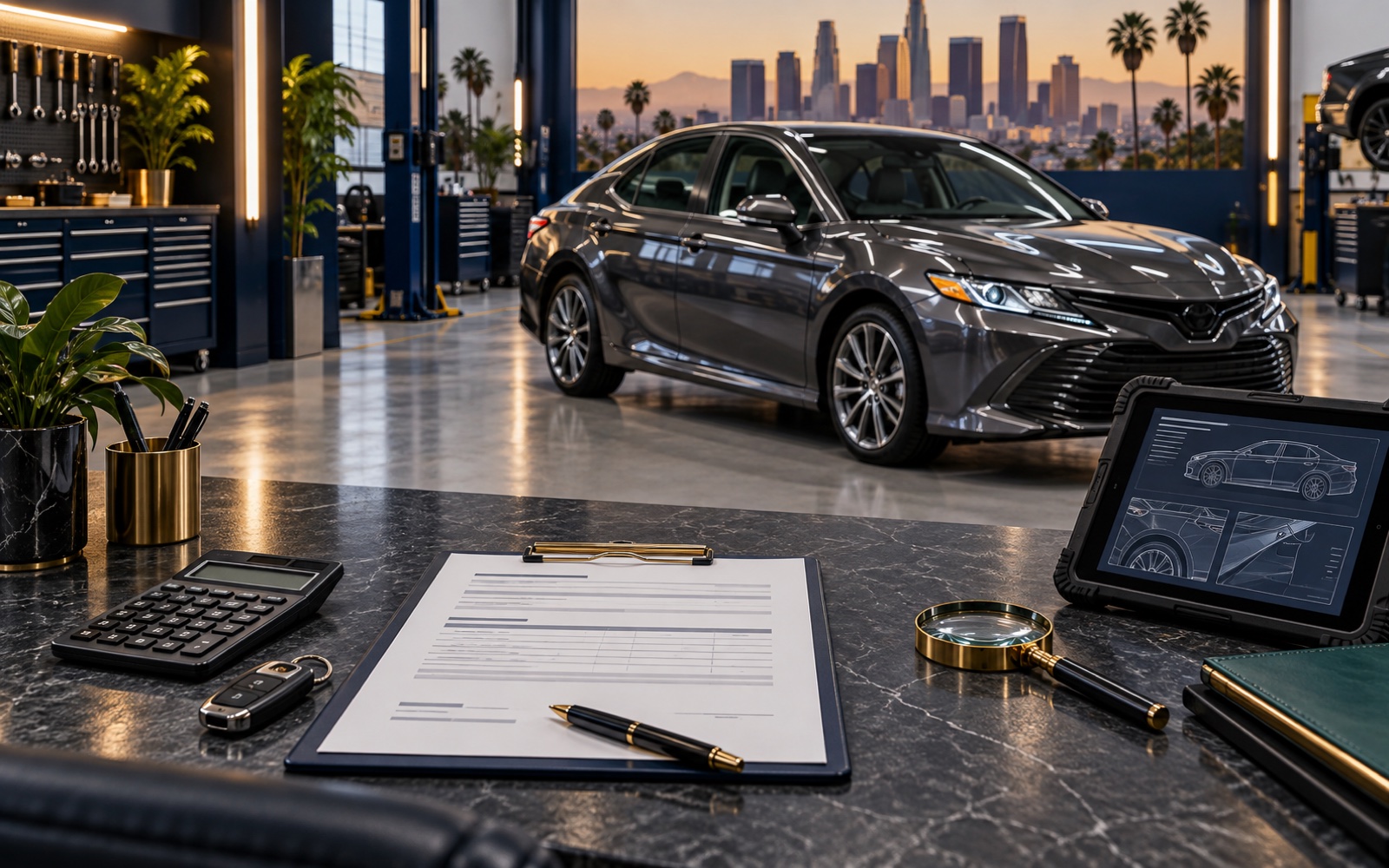
    G★★★★★5.0 on Google31 customer reviewsRead reviews →Vehicle inspection and valuation documents at a California collision repair facilityCLAIMS, VALUE & RECOVERY

    Should you use your own collision coverage? Will you get the deductible back? What happens when a vehicle is declared a total loss—or repaired but worth less afterward? Here is a practical California guide to the terms drivers hear most.

    Using your collision coverage

    Collision coverage generally pays for covered crash damage to your vehicle regardless of who caused the accident, subject to your deductible, limits and policy terms. Using your own coverage can move inspection and repair forward while fault or the other carrier’s responsibility is still being investigated.

    Your deductible is the portion you initially owe on the covered loss. Paying it does not by itself mean you accepted fault. Whether you later recover all or part of it depends on subrogation, comparative responsibility, the amount recovered and other claim facts.

    Collision coverage

    Your own insurer handles covered vehicle damage, less the deductible.

    Subrogation

    Your insurer seeks recovery from the responsible party or carrier after paying your claim.

    Deductible recovery

    Recovery may be full, partial or unsuccessful depending on the result.

    What is subrogation?

    Subrogation is an insurer’s right to seek reimbursement from a responsible third party after paying a covered claim. California’s Department of Insurance says your insurer must tell you whether it intends to pursue subrogation. If it does, it must include your deductible unless you already recovered it.

    If recovery is only partial, deductible reimbursement may also be proportional. Do not sign a release or make a separate deductible deal with the other party before discussing it with your insurer; that could interfere with the insurer’s recovery rights.

    What is a property-damage total-loss valuation?

    A vehicle is generally treated as a total loss when repairing it is not economically reasonable compared with its pre-loss value. The settlement is based on the vehicle’s actual cash value immediately before the loss—not the loan balance and not necessarily the price of a brand-new replacement.

    In California, actual cash value generally means fair market value. For a covered total loss, the insurer’s settlement should reflect a comparable vehicle of like kind and quality and include applicable taxes, license and transfer fees. Condition, mileage, trim, factory options, prior damage and local comparable vehicles can affect the calculation.

    Can you dispute a total-loss valuation?

    Yes. A valuation is not beyond review. Ask for the complete valuation report and check every input:

    • Correct year, make, model, trim, drivetrain and body style
    • Accurate mileage, factory packages and major options
    • Fair condition ratings and itemized adjustments
    • Comparable vehicles that are genuinely similar and geographically reasonable
    • Taxes, registration, license and transfer fees required in the settlement
    Build an evidence packet.

    Send recent maintenance records, pre-loss photos, option lists, window sticker information and comparable local listings. Explain errors in writing. If the dispute is under your own policy, check for an appraisal clause; the California Department of Insurance also has an automobile claims mediation program for eligible disputes, including certain total-loss value disputes.

    What if the loan is higher than the settlement?

    The vehicle’s market value and the amount owed on a loan are separate. Unless gap coverage or another contract applies, the borrower can remain responsible for a loan balance after the total-loss payment. Ask the lender and insurer for a written payoff and settlement breakdown before making decisions about salvage or replacement.

    What is a diminished value claim?

    Diminished value is the claimed difference between a vehicle’s market value before the collision and its market value after proper repairs, because the documented accident history may affect resale value. It is distinct from the cost to repair.

    California damages law can recognize depreciation in value for injured personal property, but a successful claim is not automatic. Third-party claims are more common than claims under your own policy, and the available measure, proof, exclusions and offsets depend on the facts and policy. Strong documentation may include the repair file, pre-loss condition, vehicle history, market comparisons and a qualified appraisal.

    Questions to ask before accepting a settlement

    • Is this payment for repair, a supplement, a total loss or a final release?
    • What deductible, prior-damage or condition adjustments were applied?
    • Which comparable vehicles and options were used?
    • Are taxes and required fees included?
    • Will my insurer pursue subrogation and include my deductible?
    • What deadline, appraisal or mediation option applies if I disagree?
    Need a documented damage inspection?

    Top Rank Auto Collision can help identify repair-related damage and explain the repair estimate. Valuation, coverage and legal decisions remain with the insurer, appraisers and—when needed—qualified legal counsel.

    Call (323) 285-0633

    This article is general educational information, not legal advice or a guarantee of coverage, valuation or recovery. Results depend on the policy, fault allocation, evidence, limits and applicable law.
  • Rental Reimbursement, Loss of Use and Car Seats After a California Crash

    Rental Reimbursement, Loss of Use and Car Seats After a California Crash

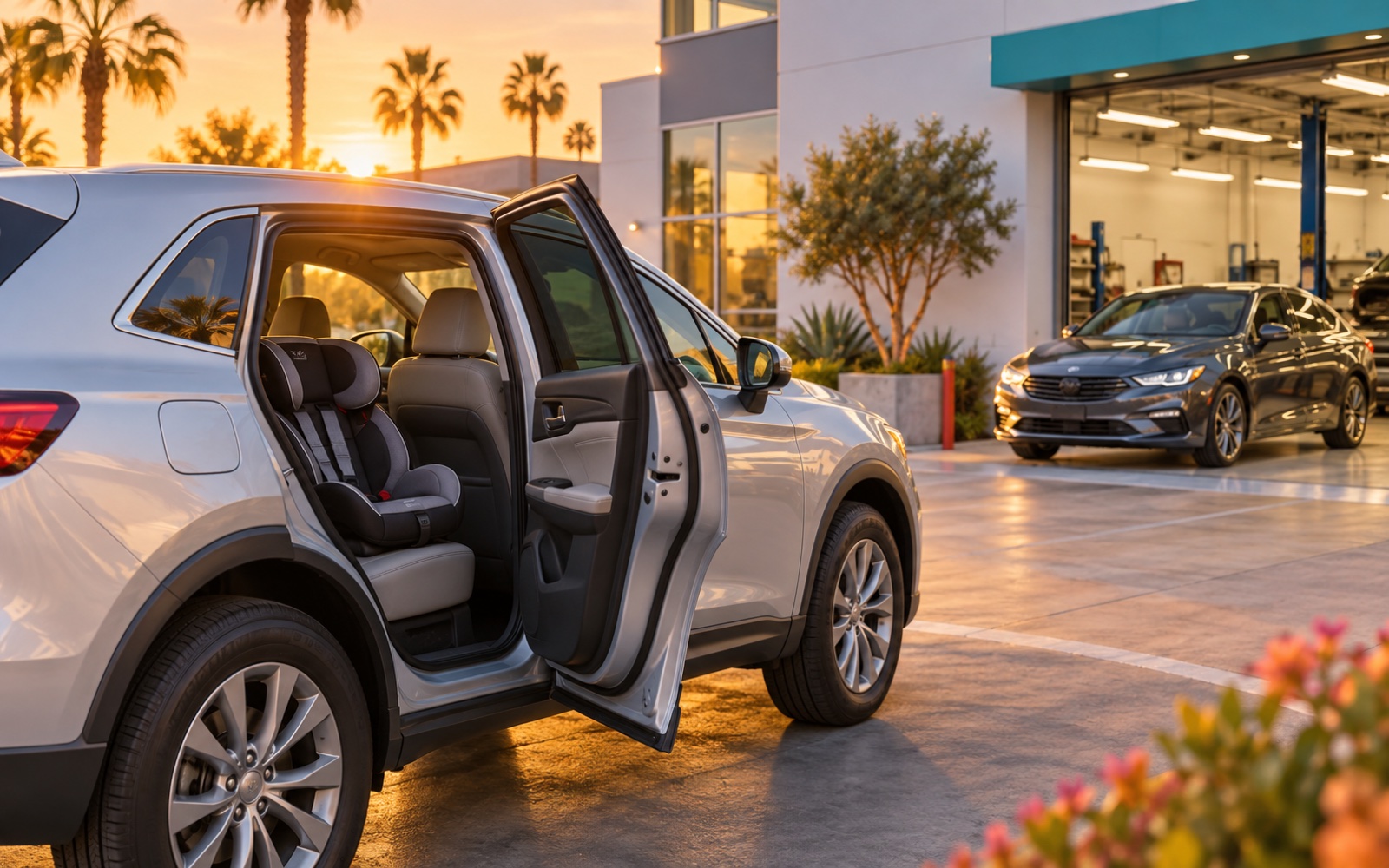
    G★★★★★5.0 on Google31 customer reviewsRead reviews →Rental vehicle and child safety seat outside a collision repair facilityTRANSPORTATION AFTER A CRASH

    When your vehicle cannot be used after a crash, the practical question is immediate: how will you get to work, school and appointments? In California, rental coverage and a liability claim for loss of use are related—but they are not the same thing.

    Rental reimbursement under your own policy

    Rental reimbursement is optional coverage on many auto policies. If you purchased it and the loss is covered, your insurer may pay rental expenses subject to a daily cap, total limit, waiting period and other policy terms. It normally does not appear automatically just because you carry collision coverage.

    Ask your insurer to confirm the daily limit, maximum number of days, approved vehicle class, direct-billing procedure and when coverage ends. Keep receipts for rental charges, taxes, rideshare or other approved transportation.

    Loss of use when another driver was at fault

    A property-damage claim against the responsible driver may include the reasonable value of being deprived of your vehicle for a reasonable repair or settlement period. A rental invoice can help document the amount, but a claim may also be presented as “loss of use.” Liability, reasonable duration, comparable transportation needs, policy limits and documentation all matter.

    Your policy

    Rental reimbursement depends on whether you bought the coverage and its limits. A deductible may not apply to this separate coverage, but check your declarations and policy.

    At-fault party’s insurer

    A third-party loss-of-use or rental claim depends on accepted liability, reasonable need and duration, available limits and proof.

    What does “mitigate your damages” mean?

    Mitigation means taking reasonable steps after the crash to avoid unnecessary additional loss. Examples may include promptly reporting the claim, cooperating with inspection, authorizing repairs after a supported plan is ready, avoiding an unnecessarily expensive rental and responding to requests for information.

    Reasonable does not mean impossible.

    California authority recognizes that mitigation does not require unreasonable or impracticable steps. Financial inability can matter when spending money would be necessary to reduce the loss. If you cannot front rental costs, pay a large deposit or replace transportation without help, tell the adjuster in writing, ask about direct billing or an advance, and keep records of your efforts.

    What about a baby’s car seat after a collision?

    Do not assume a child restraint is safe based only on appearance. NHTSA recommends replacing child safety seats after a moderate or severe crash. A seat does not automatically need replacement after a minor crash only when all of NHTSA’s minor-crash criteria are satisfied; always follow the car-seat manufacturer’s instructions.

    If replacement is recommended, photograph the seat in the vehicle, record the manufacturer, model and serial or date information, keep the manual or manufacturer guidance, and submit the receipt with the property-damage claim. Whether an insurer pays depends on liability, coverage, documentation and the claim facts—so request a written explanation if it is denied.

    A practical documentation checklist

    • Claim number and adjuster contact information
    • Dates the vehicle was unsafe, unavailable, being repaired or under total-loss review
    • Rental contract, extensions, invoices and payment receipts
    • Written explanation of transportation needs and any inability to advance costs
    • Repair timeline and communications about parts or insurer approval delays
    • Photos and identifying information for any child safety seat involved
    • Manufacturer replacement guidance and new-seat receipt
    Need your vehicle inspected or the repair timeline documented?

    Top Rank Auto Collision can help explain the repair process and provide the damage documentation your adjuster may request.

    Call (323) 285-0633
    Helpful references

    NHTSA: Car Seat Use After a Crash
    Judicial Council of California: Civil Jury Instructions (see CACI loss-of-use and mitigation instructions)

    This article is general educational information, not legal advice or a guarantee of reimbursement. Coverage, liability and damages depend on the policy, facts, documentation and applicable law.

  • What Is a Collision Repair Supplement? Hidden Damage and Insurance Checks

    What Is a Collision Repair Supplement? Hidden Damage and Insurance Checks

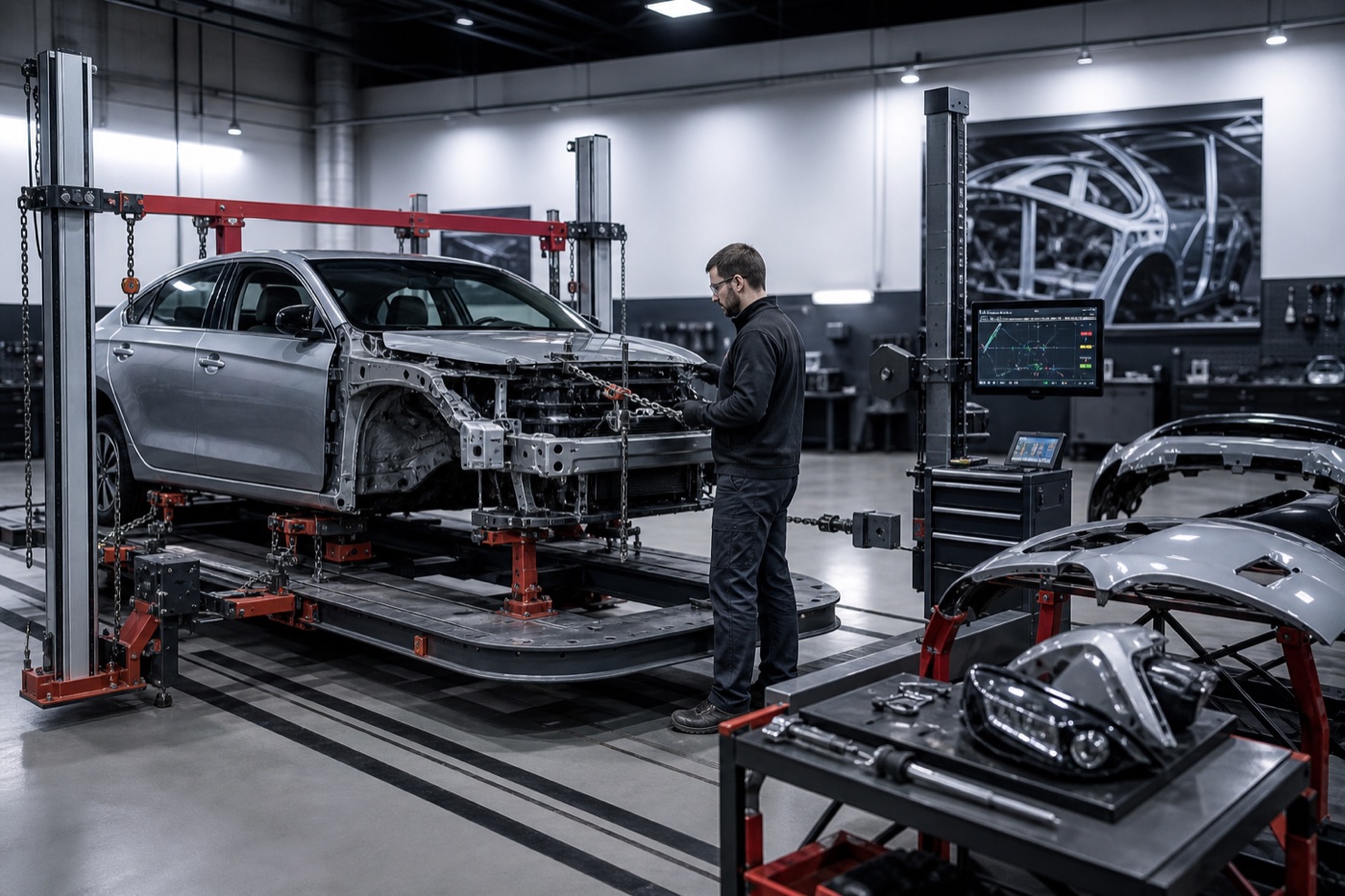
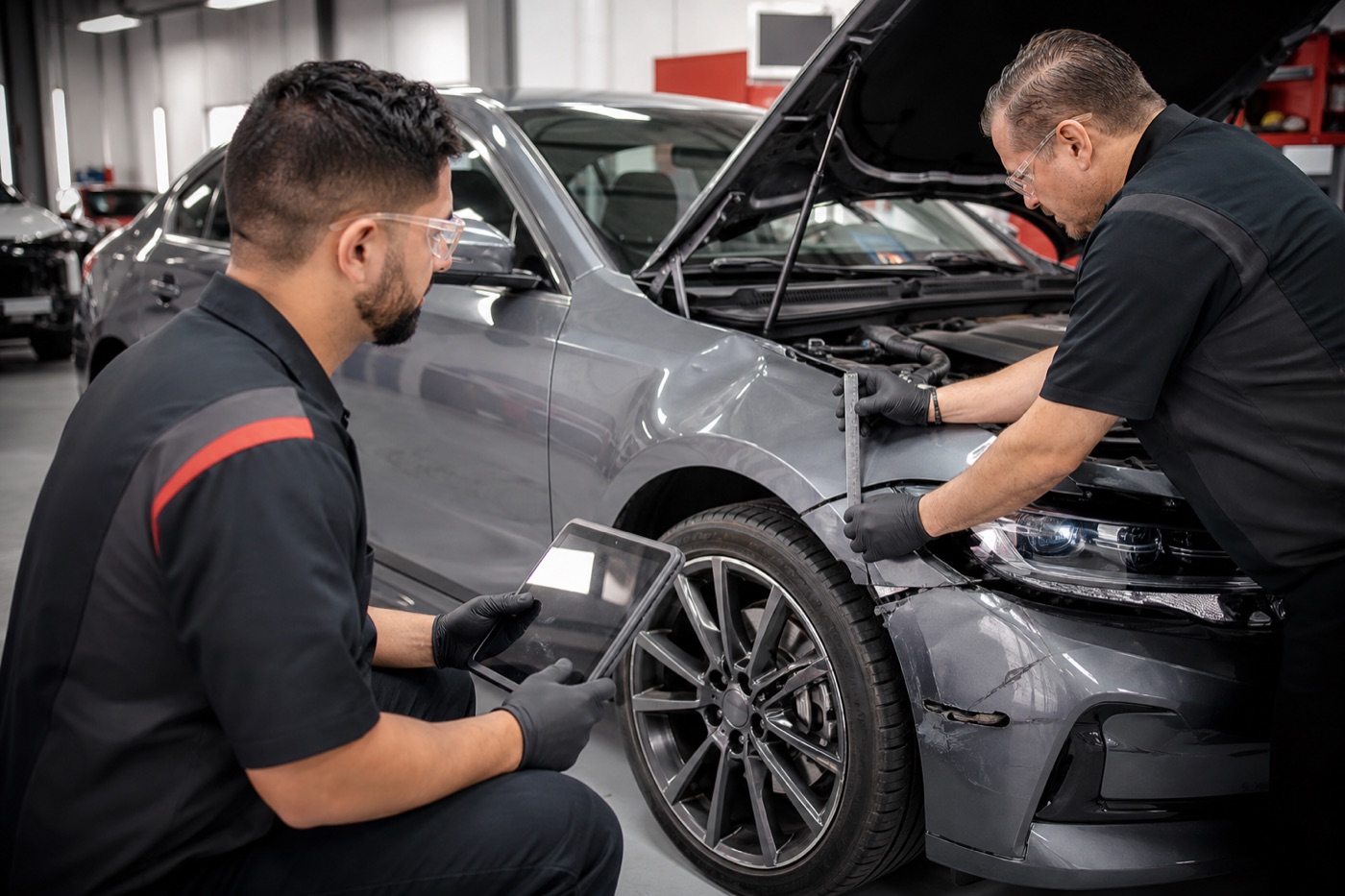
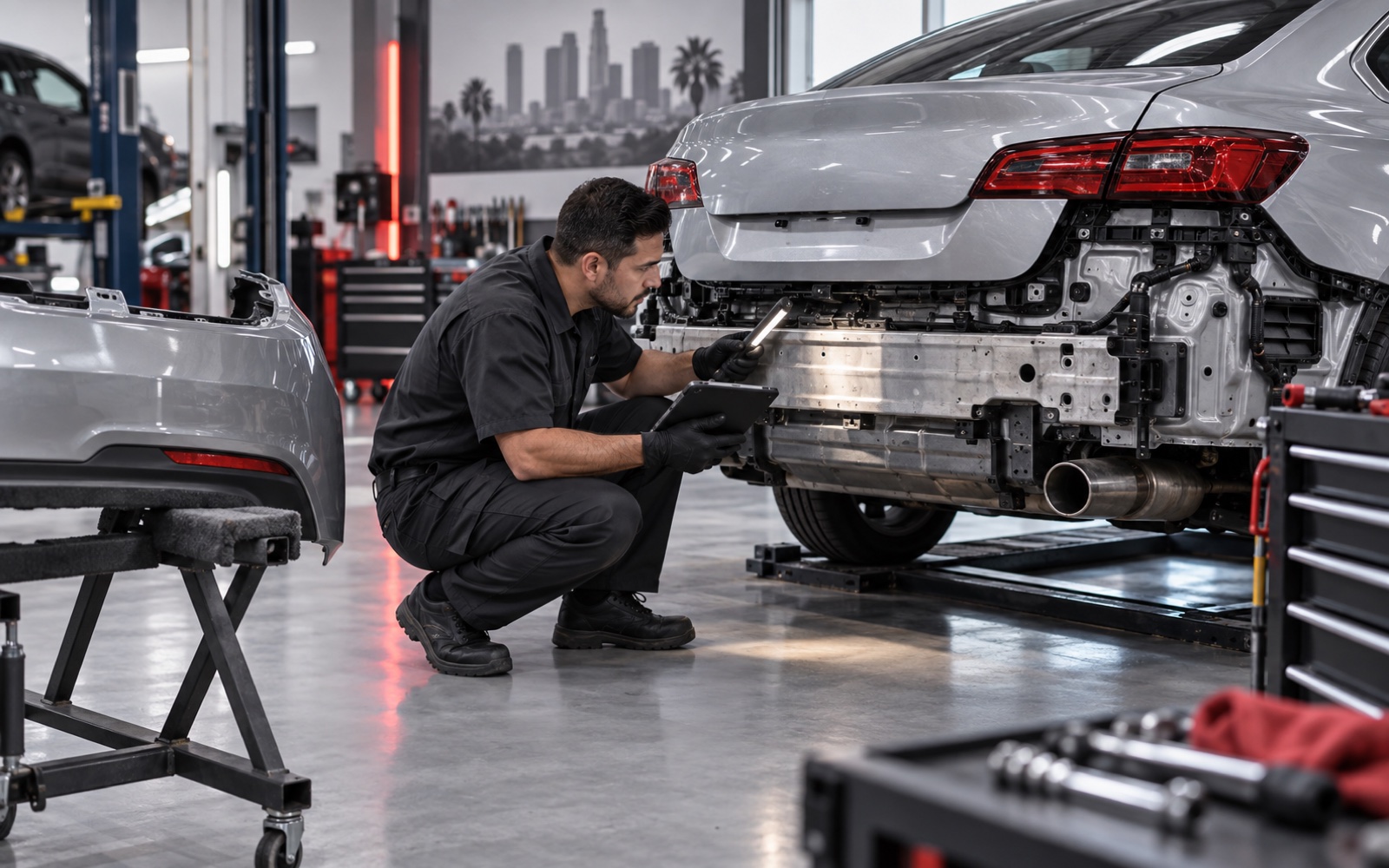
    G★★★★★5.0 on Google31 customer reviewsRead reviews →Collision repair technician inspecting hidden damage after a bumper teardownESTIMATES & HIDDEN DAMAGE

    An insurance estimate is often a starting point—not the final repair plan. If a shop finds crash damage that could not be seen during the first inspection, it documents the difference and submits a repair supplement for review.

    What is a collision repair supplement?

    A supplement is an additional repair estimate created after the original estimate. It can include newly discovered damage, required procedures, additional labor, refinishing steps, calibrations, clips or one-time-use parts that were not visible or confirmed earlier.

    A supplement is not automatically an “extra charge” invented by the shop. It is a documented request showing why the repair plan needs to change. The insurer may review photos, measurements, invoices and manufacturer repair information, or send an appraiser to reinspect the vehicle.

    1. Initial estimate

    Visible damage is recorded before major parts are removed.

    2. Teardown & measurement

    Damaged panels come off and the structure, sensors and mounting points can be inspected.

    3. Supplement review

    The shop documents added operations and sends them to the insurer for approval.

    Why did the insurance company send a check already?

    An insurer may issue payment from its preliminary estimate before the complete scope is known. Receiving that check usually does not mean every repair has been identified. If additional accident-related damage is found, the shop can contact the insurer and request authorization through a supplement.

    Before depositing, endorsing or signing anything that appears to settle or release the entire property-damage claim, read it carefully and ask the adjuster what the payment covers. Checks involving a lender or repair facility may have more than one payee.

    What hidden damage is commonly found?

    • Broken bumper reinforcements, brackets, absorbers and mounting tabs
    • Damage behind quarter panels, fenders, doors or trunk trim
    • Shifted suspension, wheel-alignment or structural measuring issues
    • Damaged radar, camera, parking sensors or wiring
    • Required pre-scan, post-scan or advanced driver-assistance calibration
    • Corrosion protection, seam sealer, weld or refinishing operations

    Will every supplement be approved?

    No. The insurer evaluates whether each item is related to the covered loss and whether the amount and procedure are supported. Coverage, exclusions, deductibles, prior damage and policy limits can affect payment. A careful shop separates accident-related damage from wear, unrelated damage or pre-existing conditions and keeps the customer informed.

    What should you do if the first check looks too low?

    • Choose a qualified repair facility and authorize a complete damage analysis.
    • Give the shop the claim number and adjuster contact information.
    • Keep the insurer’s estimate and payment explanation.
    • Ask the shop to photograph and document newly discovered damage.
    • Do not assume you must personally negotiate every line; the shop can submit its documentation, while the insurer makes the coverage decision.
    Have a preliminary estimate or insurance check?

    Top Rank Auto Collision can inspect the vehicle, explain the repair plan and document accident-related hidden damage discovered during teardown.

    Call (323) 285-0633
    California reference

    The California Department of Insurance explains that an adjuster usually writes an estimate from the initial inspection and that, when further damage is found during repairs, the shop contacts the insurer for approval of the additional repair cost. Read the CDI consumer guide.

    This article is general educational information, not legal advice or a promise of insurance coverage. Coverage and payment depend on the policy, facts, documentation and applicable law.

  • When Should a Damaged Vehicle Be Towed?

    When Should a Damaged Vehicle Be Towed?

    G★★★★★5.0 on Google31 customer reviewsRead reviews →

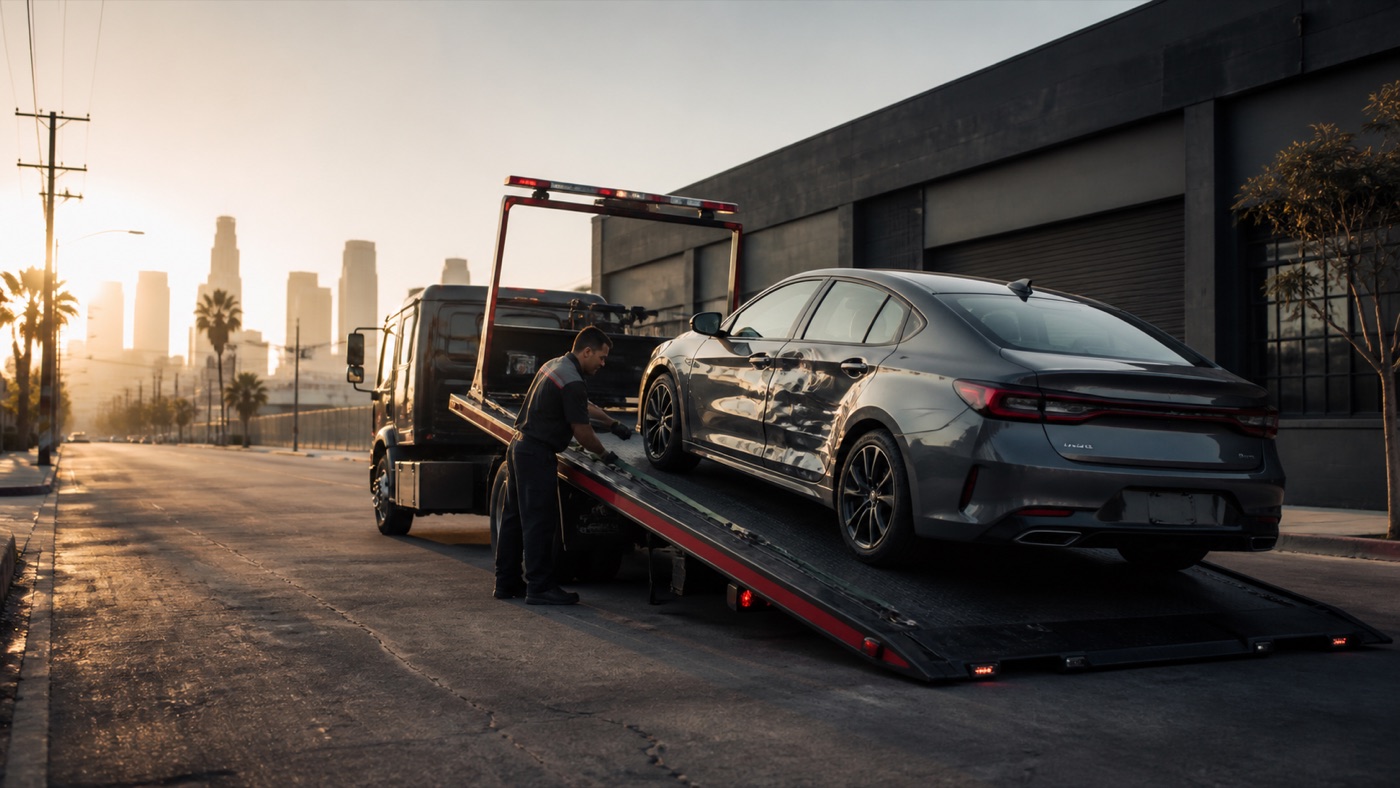
    A vehicle can appear drivable after a crash and still be unsafe. When there is doubt about steering, braking, wheels, fluids, airbags, or structure, towing is the safer choice.

    Do not drive if you notice these warning signs

    • Leaking fuel, coolant, oil, or other fluid
    • Smoke, sparks, unusual odors, or overheating
    • A wheel rubbing, leaning, locked, or visibly out of position
    • Steering that pulls, binds, or no longer feels normal
    • Reduced braking, a soft pedal, or warning lights
    • Deployed airbags or damaged seat-belt systems
    • Broken lights, glass, mirrors, or loose body panels
    • Damage near the battery, high-voltage components, or charging system
    • A hood, door, trunk, or hatch that will not secure

    Why “just a short drive” can make things worse

    Driving can turn a manageable problem into greater mechanical or structural damage. A loose liner can cut a tire, leaking coolant can overheat an engine, and misaligned suspension can affect control. It may also put occupants and other drivers at risk.

    What to tell the tow dispatcher

    Share the exact location, vehicle year and model, visible damage, whether wheels roll, whether the vehicle is in traffic, and whether it is electric or hybrid. Ask for a flatbed when the vehicle condition or manufacturer guidance calls for one.

    Where should the vehicle go?

    If you already know which repair facility you want, ask whether the vehicle can be delivered there. Keep the tow receipt and note where the keys are left. Photograph the vehicle before it is loaded when it is safe to do so.

    Unsure whether it is safe to drive?

    Do not guess. Top Rank Auto Collision can help you discuss the situation and begin a towing request.

    Call for towing help
  • Why Collision Repair Estimates Change After Teardown

    Why Collision Repair Estimates Change After Teardown

    G★★★★★5.0 on Google31 customer reviewsRead reviews →

    The first estimate is based on what can be seen. Once damaged parts are removed, a technician may discover additional damage that changes the repair plan.

    A visible estimate is a starting point

    Modern vehicles pack sensors, brackets, absorbers, wiring, cooling components, suspension parts, and structural reinforcements behind exterior panels. A bumper cover can look repairable while parts behind it are cracked, shifted, or no longer positioned correctly.

    What happens during teardown?

    The shop carefully removes selected damaged components to inspect the areas underneath. Technicians document findings with measurements and photos, check parts availability, and compare the damage with appropriate repair procedures.

    Why a supplement may be needed

    When newly discovered damage was not included in the original estimate, the shop prepares a supplement. This is an updated request that explains additional labor, parts, materials, or operations needed for a complete repair. The insurer may review the documentation before authorizing the change.

    Common hidden-damage discoveries

    • Cracked bumper reinforcement or energy absorbers
    • Bent mounting points, rails, or structural areas
    • Damaged cameras, radar units, sensors, or wiring
    • Suspension or wheel-alignment problems
    • Broken clips, brackets, lamps, or cooling components
    • Additional refinishing or calibration requirements

    Parts choices can affect the plan

    OEM, recycled, and alternative parts may be considered depending on the approved estimate, vehicle needs, availability, and insurer or customer authorization. Good repair planning makes those choices clear before the work moves forward.

    A changed estimate does not automatically mean something went wrong.

    Often it means the shop completed a more thorough inspection and documented damage that could not be confirmed from the exterior.

    Discuss your estimate
  • What to Do Immediately After a Car Accident

    What to Do Immediately After a Car Accident

    G★★★★★5.0 on Google31 customer reviewsRead reviews →

    The minutes after a collision can feel chaotic. Focus first on safety, then collect the information that will help with your claim and repair.

    1. Stop and check for injuries

    Stop as close to the scene as safely possible. Check yourself and your passengers. Call 911 immediately if anyone may be injured, a vehicle is blocking traffic, there is fire or smoke, or the scene feels unsafe.

    2. Move to a safer position when appropriate

    If the vehicle can be moved safely and local authorities direct you to do so, move out of active traffic. Turn on hazard lights. Do not drive away if steering, braking, wheels, fluids, airbags, or structural areas may be compromised.

    3. Document the scene

    Use your phone to photograph all vehicles, license plates, damage, road conditions, traffic signs, debris, and the wider scene. Capture more than close-ups—wide photos help show how the collision occurred. Save dash-camera footage if available.

    4. Exchange essential information

    • Names, phone numbers, and addresses
    • Driver’s license and license plate information
    • Insurance company and policy information
    • Vehicle year, make, model, and color
    • Contact details for witnesses

    Stay calm and factual. Avoid arguing or making statements about fault at the scene.

    5. Make the required reports

    Cooperate with responding authorities and keep the incident or report number. Notify your insurance carrier promptly and save the claim number, adjuster contact information, and any instructions you receive.

    6. Choose a repair facility and arrange towing

    You generally have the right to choose the repair shop. If the vehicle may be unsafe, have it towed instead of taking a risk. A collision repair estimate may begin with visible damage, but teardown can reveal hidden structural, sensor, suspension, and mounting damage.

    Need help right now?

    Top Rank Auto Collision can help you begin an estimate or towing request and explain the next repair step.

    Call (323) 285-0633

    This article provides general information, not legal, medical, or insurance advice. For emergencies, call 911.